
Order orlistat cheap best price
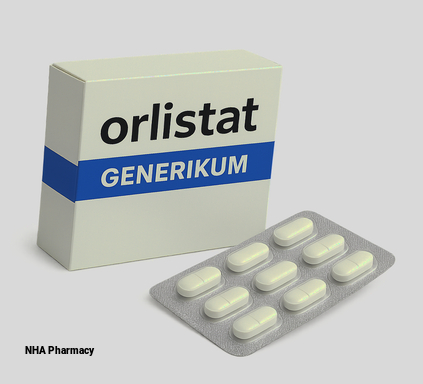
- Is orlistat available without prescription in the UK?
- What does Pharmacy medicine mean in the UK?
- General information about orlistat
- How orlistat works for weight loss
- Price and availability information
- Strengths, formulations and pack types
- Using orlistat for obesity and overweight
- UK legal classification: GSL, P and POM
- Alternatives and complementary approaches
- Orlistat compared with other weight-loss medicines
- Diet, exercise and lifestyle considerations
- Side effects and tolerability
- Long-term use and monitoring
- Warnings, contraindications and interactions
- Additional information about orlistat
Is orlistat available without prescription in the UK?
Yes. In the United Kingdom, orlistat is authorised for supply without prescription in a reduced dose formulation, typically 60 mg, under brand names such as Alli®. These over-the-counter generic orlistat products allow adults aged 18 years and over to start a self-care weight loss regimen, provided they follow the recommended diet, low in fat and high in nutrient density. Full-strength orlistat 120 mg (Xenical® or generic equivalents) remains classified as a Prescription Only Medicine (POM), requiring a valid prescription from a healthcare professional. Non-prescription availability of the lower dose makes buying orlistat online convenient for those seeking cheaper generic options without prescription.
Availability of orlistat without prescription is limited to pack sizes, strengths and durations aligned with the authorised self-care indication. Extended treatment beyond the recommended 12-week course or higher strengths requires medical oversight.
What does Pharmacy medicine mean in the UK?
UK medicines are grouped into three legal categories: Prescription Only Medicines (POM), Pharmacy medicines (P) and General Sales List medicines (GSL). A Pharmacy medicine can be supplied without a prescription, but only under the supervision of a pharmacist. This means that you can buy or list orlistat 60 mg directly from a registered pharmacy, either in-store or via an online pharmacy platform, after a brief consultation about suitability, diet and possible side effects. Orlistat 60 mg is not available for sale in non-pharmacy retail outlets, distinguishing it from true GSL products.
The “P” classification ensures professional advice is provided at the point of supply, helping to reduce the risk of inappropriate use or interactions. It also allows pharmacies to control stock and supply chain for safe distribution of generic orlistat without prescription.
General information about orlistat
What is orlistat?
Orlistat is a lipase inhibitor used to assist weight loss by reducing the absorption of dietary fats. It targets pancreatic and gastric lipases that would normally break down triglycerides into free fatty acids and monoglycerides, limiting fat uptake from the gastrointestinal tract.
What is the active ingredient?
The active pharmaceutical ingredient is orlistat (tetrahydrolipstatin). Both brands and generics must contain the same molecular entity and meet rigorous MHRA standards for quality, safety and efficacy.
Why use orlistat for weight loss?
Obesity and overweight are complex clinical conditions with multifactorial causes. Orlistat provides a pharmacological tool to reduce caloric intake from fat, complementing dietary modification and increased physical activity. Clinical studies demonstrate modest but statistically significant weight reduction when orlistat is combined with a reduced-calorie, low-fat diet, compared to diet alone.
Is orlistat an appetite suppressant?
No. Orlistat does not act on the central nervous system to reduce appetite. Its mechanism is purely gastrointestinal, blocking around 25–30 percent of dietary fat calories per dose when taken correctly with meals containing fat.
Is orlistat a stimulant or thermogenic?
No. Orlistat does not increase metabolic rate or act as a stimulant. It simply prevents digestion and absorption of a portion of ingested fat. Appetite-suppressing or thermogenic agents belong to a different class of anti-obesity products.
Why is adhering to a low-fat diet important?
Because orlistat prevents absorption of fat you consume, a diet high in fat may lead to increased risk of gastrointestinal side effects (such as oily stools, urgency or flatulence). A balanced diet with around 30 percent or less of calories from fat is recommended to optimize weight loss benefits while minimizing adverse effects.
How orlistat works for weight loss
What is lipase?
Lipases are digestive enzymes produced by the pancreas and the gastric mucosa. They hydrolyse triglycerides into absorbable molecules in the small intestine. Orlistat forms a reversible covalent bond with the active site of these enzymes, rendering them inactive.
When should orlistat be taken?
Orlistat must be taken during or within one hour after each main meal containing fat. If a meal is missed or contains no fat, the dose may be skipped to avoid unnecessary inhibition of pancreatic function.
How much fat absorption is blocked?
Clinical data show that orlistat 120 mg blocks about 30 percent of dietary fat absorption. The lower OTC dose 60 mg blocks approximately 15 percent, which is sufficient for short-term self-care but less potent than the full prescription dose.
Does orlistat affect carbohydrate or protein absorption?
No. Orlistat is selective for lipases and does not inhibit amylases or proteases. Carbohydrates and proteins are metabolised normally.
Can orlistat influence vitamin absorption?
Because orlistat reduces fat absorption, it can also reduce absorption of fat-soluble vitamins (A, D, E and K) and carotenoids. A daily multivitamin supplement, taken at least two hours before or after orlistat, is recommended to prevent nutritional deficiencies.
Does orlistat alter metabolism?
Orlistat does not change basal metabolic rate or energy expenditure. Weight loss results from reduced caloric intake from fat. Long-term success depends on adherence to diet, lifestyle changes and medical follow-up when appropriate.
Price and availability information
How much does orlistat cost in the UK?
Pricing varies by strength, formulation, pack size, brand or generic status, and retailer. Non-prescription orlistat 60 mg may cost between £25 and £40 for a 42‐capsule pack, depending on cheap, cheaper generic options and promotional offers. Prescription orlistat 120 mg pack pricing can range from £50–£80 per 84 capsules. Buying online may offer lower prices due to reduced overheads.
For the latest price, discounts and bulk-buy offers, contact NHA Pharmacy or check our online catalogue. We ensure transparent cheap pricing on generic orlistat with fast home or click-and-collect delivery.
| Example | Strength | Formulation | Pack size | Approx. Price | Status |
|---|---|---|---|---|---|
| Alli® | 60 mg | Hard capsules | 42 capsules | £35.00 | Pharmacy (P) |
| Generic Orlistat | 60 mg | Hard capsules | 42 capsules | £28.00 | Pharmacy (P) |
| Xenical® | 120 mg | Hard capsules | 84 capsules | £75.00 | Prescription (POM) |
| Generic Orlistat | 120 mg | Hard capsules | 84 capsules | £60.00 | Prescription (POM) |
Strengths, formulations and pack types
What strengths of orlistat exist?
Orlistat is available in two principal strengths in the UK market: 60 mg for non-prescription use and 120 mg for prescription-only treatment of obesity. Differences in strength directly affect the degree of fat absorption inhibition.
What formulations are available?
The standard oral formulation is a hard capsule containing the lipase inhibitor. Both generic and branded versions use the same capsule technology. Capsules must remain intact in the acidic stomach before releasing orlistat in the small intestine.
Why does pack size matter?
Pack size determines maximum treatment duration under non-prescription and prescription authorisations. For OTC self-care, a 42-capsule pack (14–28 day supply) supports initial weight management programmes. Prescription pack sizes may allow up to 6 months’ supply.
| Feature | Why it matters |
| Strength | Indicates degree of fat blockage per dose |
| Formulation | Affects release site and bioavailability |
| Pack size | Limits duration of self-care or medical regimen |
| Brand vs generic | Affects price, appearance and excipients |
| Legal category | Determines supply route and oversight level |
Are generic and branded orlistat identical?
All contain the same active ingredient. Branded products and licensed generics meet identical standards for efficacy and safety. Differences may include capsule colouring, excipients, pack artwork and price.
Using orlistat for obesity and overweight
Who is orlistat indicated for?
Orlistat is indicated as an adjunct to a reduced-calorie diet for adults with a BMI ≥ 28 kg/m2 (non-prescription use) or BMI ≥ 30 kg/m2 (prescription). It can also be considered in BMI ≥ 27 with risk factors such as hypertension, dyslipidaemia or type 2 diabetes.
How should orlistat be introduced?
Self-care users of orlistat 60 mg should follow a structured weight loss programme, including nutritional advice, physical activity guidance and symptom monitoring. Prescription users often receive multidisciplinary support from dietitians or obesity clinics.
What outcomes can be expected?
Clinical trials show average additional weight loss of 2.5–5 kg over one year compared with diet alone. The degree of weight reduction is influenced by adherence to dietary fat limits, total caloric intake and physical activity levels.
Can orlistat be used long term?
Prescription orlistat 120 mg may be used beyond one year under medical supervision if weight loss continues and benefit outweighs risks. Long-term use of the 60 mg OTC dose is not recommended without healthcare review.
What happens after stopping orlistat?
Weight regain may occur if dietary habits revert. Ongoing lifestyle modification is key to maintaining weight loss achievements. Continued monitoring by healthcare professionals can help prevent rebound weight gain.
UK legal classification: GSL, P and POM
What is a POM?
Prescription Only Medicines require a prescription from a qualified prescriber. Orlistat 120 mg falls under POM, reflecting its higher potency and need for medical oversight.
What is a Pharmacy medicine?
Pharmacy (P) medicines do not require a prescription but must be supplied by or under the supervision of a pharmacist. Orlistat 60 mg is classified as P and can be bought online or in-store after brief pharmacist consultation.
What is a GSL medicine?
General Sales List (GSL) medicines can be sold in multiple retail outlets, including supermarkets and petrol stations, without pharmacy oversight. Orlistat is not GSL because of the need for diet counselling and monitoring for side effects.
Why can the same drug have different classifications?
Classification depends on dosage strength, indication, treatment duration, safety profile and required level of professional oversight. Higher strengths or longer-term use often require prescription to ensure patient safety.
Who regulates medicine classification in the UK?
The Medicines and Healthcare products Regulatory Agency (MHRA) oversees licensing, classification changes and safety surveillance for all medicines in the UK.
Alternatives and complementary approaches
What other pharmacological options exist?
- GLP-1 receptor agonists (prescription) such as liraglutide and semaglutide;
- Appetite suppressants (POM or unlicensed herbal preparations);
- Thermogenic supplements marketed as dietary aids (regulation and efficacy vary);
- Orlistat combined with other agents under specialist care.
Why choose orlistat over other agents?
Orlistat’s mechanism does not involve central nervous system stimulation or hormonal modulation. It is non-systemic, with minimal systemic exposure, making it suitable for patients with contraindications to other weight-loss drugs.
Can supplements replace orlistat?
Dietary supplements claiming fat-blocking properties lack the robust clinical evidence and regulatory approval of orlistat. Professional guidance is advised before use.
Orlistat compared with other weight-loss medicines
How does orlistat compare with GLP-1 receptor agonists?
GLP-1 analogues reduce appetite through central and peripheral mechanisms and often produce greater weight loss but require injection and have different side effect profiles. Orlistat’s oral route and local action may be preferable for self-care users.
How does orlistat compare with appetite suppressants?
Appetite suppressants often act on neurotransmitter systems and may carry risks of cardiovascular or psychiatric adverse effects. Orlistat’s safety profile centres on gastrointestinal events and nutritional considerations rather than systemic effects.
| Feature | Orlistat | GLP-1 Agonists | Appetite Suppressants |
| Mechanism | Lipase inhibition | Appetite regulation | Neurotransmitter modulation |
| Route | Oral | Injection | Oral |
| Major side effects | Gastrointestinal | Nausea, vomiting | Cardiovascular risk |
| OTC availability | Yes, 60 mg | No | Limited |
Is one option always better?
Choice depends on individual patient factors, comorbidities, treatment goals, side effect tolerance and cost. A healthcare professional can guide selection based on evidence and patient preference.
Diet, exercise and lifestyle considerations
Can diet influence orlistat effectiveness?
Yes. A balanced diet with limited fat intake (around 30 percent of calories) maximises weight loss while minimizing gastrointestinal side effects. Nutrient-dense, high-fibre foods support satiety and overall health.
What role does physical activity play?
Regular exercise enhances caloric expenditure and helps preserve lean muscle mass during weight loss. Guidelines recommend at least 150 minutes of moderate-intensity activity per week.
Why monitor calorie and fat intake?
Accurate tracking of macronutrients ensures orlistat’s fat-blocking action translates into weight loss. Using food diaries or digital apps can improve adherence and results.
Can behaviour change support weight management?
Cognitive-behavioural strategies, stress management, sleep hygiene and social support all contribute to sustainable lifestyle changes. Orlistat is most effective when integrated into a holistic weight management programme.
Side effects and tolerability
Can orlistat cause side effects?
Yes. The most commonly reported side effects are gastrointestinal and relate to fat malabsorption. They include oily or fatty stools, urgent bowel movements, flatulence with discharge and faecal incontinence. These effects are more common with high-fat meals.
| Area | Examples described in product information |
| Gastrointestinal | Oily spotting, flatus with discharge, faecal urgency |
| Respiratory | Occasional upper respiratory tract infections reported |
| Neurological | Headache reported in some users |
| Nutritional | Possible deficiency of fat-soluble vitamins |
| Hypersensitivity | Rare allergic reactions such as rash, urticaria |
How to minimise side effects?
Reducing dietary fat, eating smaller meals, distributing fat intake evenly across meals and taking a multivitamin supplement two hours apart from orlistat can reduce severity and frequency of gastrointestinal events.
When to seek medical advice?
If severe or persistent gastrointestinal symptoms occur, or if signs of malabsorption (weight loss beyond expected levels, deficiency symptoms) arise, discontinue orlistat and consult a healthcare professional.
Long-term use and monitoring
Why review long-term treatment?
Extended use of prescription orlistat requires periodic evaluation of weight trajectory, nutrient status and potential adverse effects. A multidisciplinary team approach ensures patient safety and optimises outcomes.
What nutritional monitoring is recommended?
Periodic assessment of fat-soluble vitamins, particularly in those on long-term high-dose orlistat, helps prevent subclinical or overt deficiencies.
Can orlistat be stopped abruptly?
Yes. Orlistat may be discontinued at any time. Patients should be counselled about maintaining dietary changes to prevent weight regain once the drug is stopped.
Why is ongoing support important?
Weight loss maintenance often requires structured follow-up, including behavioural counselling, dietitian support and possibly pharmacological adjustments.
Warnings, contraindications and interactions
Who should be cautious with orlistat?
- People with chronic malabsorption syndromes (e.g., cholestasis);
- People with cholestatic liver disease;
- People with a history of oxalate kidney stones;
- Pregnant or breastfeeding women;
- Individuals allergic to any excipient in the capsule.
Can orlistat interact with other medicines?
Orlistat can reduce absorption of lipophilic drugs and fat-soluble vitamins. Clinically relevant interactions include ciclosporin, warfarin and amiodarone. Monitoring and dose adjustment may be required.
Why watch for vitamin deficiencies?
Extended orlistat use can lead to low levels of vitamins A, D, E and K. Supplementation and periodic laboratory checks mitigate these risks.
What about pregnancy and breastfeeding?
Orlistat is contraindicated in pregnancy and breastfeeding due to limited safety data and potential effects on maternal and infant nutrition. Women planning pregnancy should discontinue and seek alternative weight-management strategies.
Additional information about orlistat
What does “generic orlistat” mean?
A generic orlistat product contains the same active ingredient and is bioequivalent to the reference brand. It must meet MHRA standards for quality, safety and efficacy, though inactive ingredients and packaging may differ.
Why can pack leaflets differ?
Different manufacturers provide product leaflets tailored to their authorised indications, excipients, pack sizes and legal categories, even when the active ingredient and strength are identical.
What tips can support orlistat use?
Take orlistat with your three largest meals or skip doses if the meal has no fat. Maintain a low-fat diet and use a daily multivitamin two hours before or after taking the capsule.
Where can UK medicine information be verified?
Consult the MHRA website, the electronic Medicines Compendium, official product leaflets and your pharmacist for up-to-date, authoritative guidance on orlistat products.
Does this information replace advice from a pharmacist?
No. This general information is published by NHA Pharmacy (Unit 23, Newton House, Northampton Science Park, Kings Park Road, Moulton Park Industrial Estate, Northampton NN3 6LG). For personalised advice, speak with our pharmacy team or your GP.