
Order furosemide without prescription online
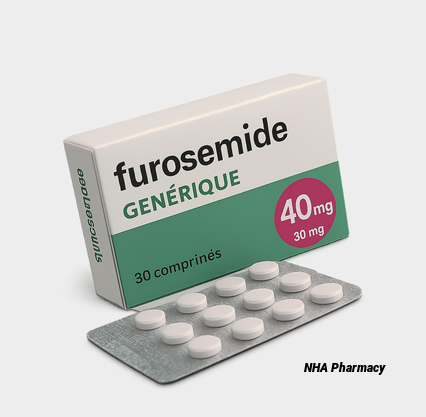
- Is furosemide available without prescription in the UK?
- What does Pharmacy medicine mean in the UK?
- General information about furosemide
- How furosemide works as a diuretic
- Price and availability information
- Strengths, formulations and pack types
- Clinical uses: oedema and hypertension
- UK legal classification: GSL, P and POM
- Alternatives for fluid retention
- Furosemide compared with other diuretics
- Food, alcohol and lifestyle considerations
- Side effects and tolerability
- Long-term use and monitoring
- Warnings, contraindications and interactions
- Additional information about furosemide
Is furosemide available without prescription in the UK?
Yes, select furosemide products can be supplied without a prescription in the United Kingdom for short‐term use in mild oedema and fluid retention. This over‐the‐counter supply is only permitted for specific strengths and pack sizes that meet MHRA regulations. It does not imply that every furosemide formulation or indication is non‐prescription. Prescription furosemide remains available for heart failure, severe oedema, kidney disease and hypertension after appropriate clinical assessment.
Over‐the‐counter furosemide supply aims to facilitate self‐care in patients with minor symptoms who wish to order a cheap, generic diuretic online. Patients must be counselled about potential dehydration and electrolyte imbalance risks. For more complex conditions such as congestive heart failure, medical supervision and prescription access are necessary.
What does Pharmacy medicine mean in the UK?
The UK classifies human medicines into three categories: Prescription Only Medicine (POM), Pharmacy medicine (P) and General Sales List (GSL). A Pharmacy medicine, or “P” medicine, may be supplied by a pharmacist without a prescription but is restricted to sale within a pharmacy environment. This framework ensures appropriate professional oversight, even when an active ingredient is considered suitable for self‐selection.
“Over the counter” is often used interchangeably with non‐prescription, but only P and GSL products may be purchased without a prescription. Furosemide for short‐term mild oedema is regulated as a Pharmacy medicine. It cannot be sold in supermarkets or petrol stations and must be ordered via an online pharmacy website or collected from a registered pharmacy counter.
General information about furosemide
What is furosemide?
Furosemide is a potent loop diuretic used to increase urine output by acting on the kidney’s Loop of Henle. It reduces fluid overload by promoting excretion of sodium, chloride and water, lowering blood volume and reducing oedema and hypertension.
What are loop diuretics?
Loop diuretics are a class of medications that inhibit the Na⁺‐K⁺‐2Cl⁻ transporter in the thick ascending limb of the loop of Henle. Other loop diuretics include bumetanide and torasemide. They are often used when rapid diuresis is needed.
What is the active ingredient?
The active pharmaceutical ingredient in these preparations is furosemide. Generic furosemide contains the same active component at the stated strength. Excipients, coatings and capsule shells may differ between manufacturers, but the pharmacodynamic effect remains consistent when properly formulated.
Why are tablets and oral solutions used?
Furosemide is available as oral tablets, soluble tablets and oral solutions. Soluble and liquid formulations can allow faster absorption and dosing flexibility in patients who have difficulty swallowing or require titration of dose.
Is furosemide an antihypertensive?
Indirectly, yes. By reducing blood volume, furosemide lowers cardiac preload and systemic blood pressure. It is frequently used for hypertension management in combination with other classes such as ACE inhibitors or thiazide diuretics.
How furosemide works as a diuretic
What is the Loop of Henle?
The Loop of Henle is a segment of the nephron responsible for concentrating urine and reabsorbing water and electrolytes. Furosemide targets the thick ascending limb of this loop.
How does furosemide inhibit reabsorption?
Furosemide blocks the Na⁺‐K⁺‐2Cl⁻ symporter, preventing sodium, chloride and potassium from being reabsorbed. This leads to increased osmotic load in the tubular fluid, causing more water to be excreted as urine.
What is the onset of action?
Oral furosemide usually begins working within 1 hour, peaking at around 1–2 hours. Soluble or liquid preparations may act more quickly than conventional tablets.
How long does the effect last?
The diuretic effect typically lasts 6–8 hours after an oral dose but can vary depending on dose, patient renal function and concomitant medications.
Can it cause electrolyte loss?
Yes. Furosemide can lead to significant loss of sodium, potassium, magnesium and calcium. In an OTC context, patients should be advised to maintain adequate fluid intake and consider dietary sources of electrolytes or supplements if recommended by a pharmacist.
Price and availability information
How much does OTC furosemide cost in the UK?
Prices vary by brand, pack size, retailer and formulation. NHA Pharmacy offers competitive prices for generic furosemide, with frequent discounts for bulk purchases and subscription orders. Cheap online generic options can reduce your cost significantly compared to branded equivalents.
Why do prices vary between products?
Differences reflect brand premium, pack size, formulation (tablet vs solution), online promotions and distribution costs. Ordering larger quantities or subscribing can often yield the cheapest unit price.
| Example | Strength | Formulation | Price | Status | Note |
|---|---|---|---|---|---|
| Generic Furosemide A | 40 mg | Tablets, 28 pack | £3.99 | In Stock | Order online at cheaper price |
| Generic Furosemide B | 40 mg | Oral solution, 100 ml | £5.49 | In Stock | Fast delivery, no prescription |
Strengths, formulations and pack types
What strengths of furosemide exist?
Furosemide is commonly available as 20 mg, 40 mg and 80 mg tablets. Oral solutions may range from 10 mg/ml to 20 mg/ml. Not every strength is authorised for non‐prescription supply; check the specific product licence before purchase.
What formulations are available?
Formulations include gastro‐resistant tablets, standard tablets, soluble tablets and ready‐to‐use oral solutions. The choice depends on patient preference, swallowing ability and dosing requirements.
Why does pack size matter?
Pack size influences legal classification and supply category. An authorised 28‐tablet pack may be available OTC, whereas larger packs or repeat packs often require a prescription due to risk of overuse.
| Feature | Implication |
| Active ingredient | Furosemide |
| Strength | 20 mg, 40 mg, 80 mg |
| Formulation | Tablets, soluble, solution |
| Pack size | 10–28 units (OTC), larger packs (POM) |
| Legal category | P or POM |
Are generic and branded furosemide identical?
Generic preparations match the reference medicine in active substance and bioavailability. Differences lie in excipients, tablet shape, coating and packaging. Generic furosemide offers a cheaper alternative without compromising efficacy.
Clinical uses: oedema and hypertension
What is oedema?
Oedema is fluid accumulation in tissues causing swelling, most noticeable in ankles, legs and hands. It can result from heart failure, liver disease, kidney disorders or venous insufficiency.
How does furosemide help?
By promoting diuresis, furosemide reduces fluid overload, relieving symptoms such as leg swelling, breathlessness and elevated blood pressure due to increased intravascular volume.
Is furosemide used for hypertension?
Yes. In hypertension, furosemide is often combined with other antihypertensives when first‐line agents alone are insufficient or when fluid retention contributes to pressure elevation.
Can it treat pulmonary oedema?
Under prescription, furosemide is vital in acute pulmonary oedema management. OTC products are not intended for severe or emergency use; prescription access is required for high‐dose intravenous or intensive therapy.
UK legal classification: GSL, P and POM
What is a POM?
Prescription Only Medicines require a valid prescription. High‐dose furosemide, large packs or parenteral formulations fall under POM.
What is a Pharmacy medicine?
Pharmacy medicines can be sold without prescription under pharmacist supervision. A limited pack of 40 mg tablets qualifies as a Pharmacy medicine for mild oedema.
What is a GSL medicine?
General Sales List medicines may be sold in non‐pharmacy retail outlets. Furosemide is not GSL at any strength due to potential safety concerns and monitoring requirements.
Is all furosemide OTC in the UK?
No. Only specific strengths and pack sizes with self‐care indications are available OTC. Other indications and strengths remain POM.
Why can the same active ingredient have different classifications?
Classification depends on strength, formulation, pack size, intended indication and professional oversight required. The MHRA governs these decisions based on safety assessments.
Alternatives for fluid retention
What other diuretic classes exist?
- Thiazide diuretics (e.g., bendroflumethiazide);
- Potassium‐sparing diuretics (e.g., spironolactone);
- Osmotic diuretics (e.g., mannitol, prescription only);
- Combination diuretics (e.g., thiazide + potassium‐sparing).
Why choose loop diuretics?
Loop diuretics like furosemide are most effective for rapid fluid removal and in cases of reduced renal function where thiazides may be less potent.
Furosemide compared with other diuretics
How does furosemide compare with thiazides?
Furosemide is more potent and acts on the Loop of Henle, whereas thiazides act on the distal convoluted tubule. Thiazides have longer duration but weaker diuretic effect, making them suitable for long‐term hypertension management.
How does furosemide compare with spironolactone?
Spironolactone is potassium‐sparing and reduces potassium loss. Furosemide causes greater electrolyte excretion and requires potassium supplementation if used long term.
| Feature | Furosemide | Bendroflumethiazide | Spironolactone |
| Class | Loop diuretic | Thiazide diuretic | Potassium‐sparing |
| Site of action | Loop of Henle | Distal tubule | Collecting duct |
| Onset | 1 hour | 2–4 hours | 2–3 days |
| OTC available | Yes, specific packs | No | No |
Food, alcohol and lifestyle considerations
Can diet influence diuretic action?
Sodium intake directly affects fluid retention. A low‐salt diet enhances furosemide’s effectiveness and reduces the risk of fluid overload and hypertension.
Can alcohol affect dehydration?
Alcohol is a diuretic itself and can exacerbate fluid loss, leading to dehydration, dizziness and electrolyte imbalance when combined with furosemide.
Does caffeine matter?
Caffeine also promotes diuresis. Patients should monitor caffeine intake to avoid excessive fluid loss or jitteriness.
Can exercise affect fluid balance?
Strenuous activity increases sweat loss. Adequate hydration is essential when on diuretics to prevent orthostatic hypotension and cramps.
Side effects and tolerability
Can furosemide cause side effects?
Yes. Common side effects include increased urination, dizziness, hypotension, dehydration, cramps and thirst. Not everyone experiences all effects, but awareness is key for safe self‐care.
| Area | Examples |
| Circulatory | Dizziness, orthostatic hypotension |
| Metabolic | Electrolyte imbalance, hypokalaemia |
| Renal | Increased creatinine, dehydration |
| Gastrointestinal | Nausea, vomiting |
Why monitor electrolytes?
Excessive sodium and potassium loss can cause muscle weakness, arrhythmias and cramps. OTC users should seek professional advice if symptoms suggest imbalance.
Long-term use and monitoring
Why is short-term use recommended OTC?
Non‐prescription furosemide is intended for self‐care of mild fluid retention over a short period (up to 7 days). Persistent or recurrent oedema warrants medical evaluation and prescription monitoring.
What about long-term risks?
Extended use increases risk of kidney dysfunction, gout, hearing impairment (with high doses) and electrolyte disturbances. Prescription supervision is needed for chronic therapy.
How often should reviews occur?
A healthcare professional should review diuretic therapy at least every 3–6 months, or sooner if symptoms or laboratory values change significantly.
Warnings, contraindications and interactions
Who should be cautious with furosemide?
- People with severe renal impairment;
- People with known electrolyte disturbances;
- People with gout history;
- People with hypotension or dehydration;
- People taking other medications affecting fluid balance;
- Pregnant or breastfeeding women without advice.
Can furosemide interact with other medicines?
Yes. NSAIDs can reduce diuretic effect. ACE inhibitors can potentiate hypotension. Lithium clearance may be altered. Corticosteroids can exacerbate electrolyte imbalance.
Why avoid aminoglycosides?
Concurrent use with aminoglycoside antibiotics (e.g., gentamicin) may increase ototoxicity risk, especially at high doses or in renal impairment.
Additional information about furosemide
What does “generic furosemide” mean?
Generic medicines contain the same active ingredient, strength and bioequivalence as the branded reference product. They must meet regulatory standards for quality, safety and efficacy.
Why check the patient information leaflet?
Different generics may have varying excipients, recommended storage, shelf life and additional warnings. Always review the leaflet included in the pack.
What to do if symptoms persist?
If oedema or hypertension symptoms continue despite OTC furosemide, seek medical advice. Underlying conditions such as heart failure or kidney disease require prescription management.
Where can UK medicine information be verified?
Reliable sources include the MHRA website, the electronic Medicines Compendium (eMC) and qualified healthcare professionals. This page complements but does not replace professional advice.
This information is published by NHA Pharmacy (Unit 23, Newton House, Northampton Science Park, Kings Park Road, Moulton Park Industrial Estate, Northampton NN3 6LG). For personalised advice, contact our pharmacy team or your GP.