
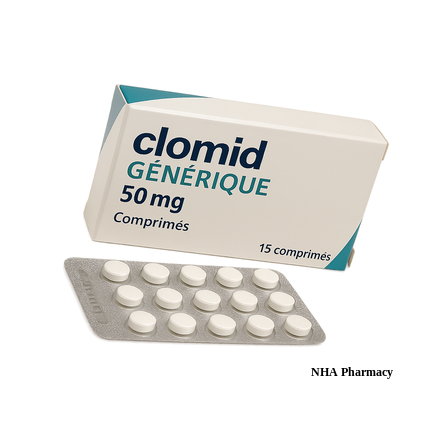
Order clomid fast delivery generic
- Is Clomid available without prescription in the UK?
- What does Pharmacy medicine mean in the UK?
- General information about Clomiphene (Clomid)
- How Clomid works to induce ovulation
- Price and availability information
- Strengths, formulations and pack types
- Clomid for female infertility and PCOS
- UK legal classification: POM, P and GSL
- Alternatives for ovulation induction
- Clomid compared with other fertility medicines
- Diet, lifestyle and timing considerations
- Side effects and tolerability
- Long-term use, cycle limits and monitoring
- Warnings, contraindications and interactions
- Additional information about generic Clomid
Is Clomid available without prescription in the UK?
Clomid (clomiphene citrate) is classified as a Prescription Only Medicine (POM) in the United Kingdom. This means it cannot be legally supplied without a valid prescription issued by a qualified healthcare professional. While some online pharmacies advertise “without prescription” services, it is important to understand the legal and safety implications. Clomid is used to induce ovulation in women who have certain fertility issues and requires appropriate screening, monitoring and follow-up by a medical practitioner. Attempting to order or purchase Clomid online without a prescription may expose buyers to unregulated products, counterfeit risks or incorrect dosing instructions. At NHA Pharmacy, we adhere strictly to MHRA regulations and supply Clomid only in accordance with a valid prescription, ensuring authenticity, quality and patient safety.
What does Pharmacy medicine mean in the UK?
The UK categorises medicines into three main legal classification levels: Prescription Only Medicine (POM), Pharmacy medicine (P) and General Sales List (GSL). A Pharmacy medicine (P) can be supplied without a prescription but only under the supervision of a qualified pharmacist within a registered pharmacy setting. General Sales List (GSL) medicines, by contrast, may be stocked in many retail outlets without pharmacy oversight. POM medicines like Clomid require a prescription due to their potential effects, interactions and need for monitoring. When considering purchasing any fertility treatment online, always verify the legal classification and consult a healthcare professional. Buying prescription medicines without a prescription can lead to health risks, legal consequences and poor therapeutic outcomes.
General information about Clomiphene (Clomid)
What is Clomiphene citrate?
Clomiphene citrate, marketed under the brand name Clomid and available as generic formulations, is a selective estrogen receptor modulator (SERM). It is primarily used to stimulate ovulation in women who do not ovulate regularly, such as those with polycystic ovary syndrome (PCOS). First introduced in the 1960s, Clomiphene remains one of the most widely prescribed fertility medications worldwide due to its effectiveness, oral administration and overall safety profile when used under medical supervision.
What is a SERM?
Selective estrogen receptor modulators (SERMs) are compounds that bind to estrogen receptors in various tissues. Depending on the target organ, they can act as estrogen antagonists or agonists. Clomiphene works as an estrogen antagonist at the level of the hypothalamus, preventing normal negative feedback by circulating estrogens and thereby stimulating the release of gonadotropins (FSH and LH) necessary for follicular growth and ovulation.
Why is Clomid used for fertility?
By blocking estrogen receptors in the hypothalamus, Clomiphene tricks the brain into perceiving low estrogen levels. This triggers increased production of follicle-stimulating hormone (FSH) and luteinizing hormone (LH) by the pituitary gland, promoting the maturation of ovarian follicles and the orderly release of an egg. When timed correctly with intercourse or assisted reproductive techniques, Clomid can significantly improve pregnancy rates in selected patients.
Is generic Clomid the same as brand Clomid?
Generic clomiphene citrate contains the same active substance at equivalent strength to the brand Clomid and is required to meet identical regulatory standards for bioequivalence, quality and safety. Differences may exist in inactive ingredients, tablet appearance and packaging. Generic options often offer a cheaper price point, enabling patients to purchase more affordable generic Clomid without compromising on efficacy or quality.
How Clomid works to induce ovulation
What is the hypothalamic-pituitary-ovarian axis?
The hypothalamic-pituitary-ovarian (HPO) axis regulates female reproductive function. The hypothalamus secretes gonadotropin-releasing hormone (GnRH), which stimulates the pituitary gland to release FSH and LH. These hormones act on the ovaries to promote follicle development, estrogen production and eventually ovulation. Precise feedback loops maintain hormonal balance.
How does Clomid alter feedback mechanisms?
Clomiphene binds to estrogen receptors in the hypothalamus, blocking the normal negative feedback of circulating estrogen. This “artificial” estrogen deficiency triggers the hypothalamus and pituitary to ramp up GnRH, FSH and LH secretion. The resulting surge in gonadotropins induces follicle maturation and ovulation. Because Clomid’s action is indirect, its timing and dosage must be carefully managed to optimize outcomes and minimize risks such as multiple follicle development.
When is Clomid taken during the cycle?
Clomid is typically administered early in the menstrual cycle, often starting on cycle day 3, 4 or 5, for a duration of five days. Ovulation usually occurs 5 to 10 days after the last dose. Ultrasound monitoring, serum hormone measurements and ovulation predictor kits help clinicians determine the optimal timing for intercourse or intrauterine insemination (IUI).
Does Clomid directly cause ovulation?
Clomiphene itself does not cause the mechanical release of an egg. Rather, it creates a hormonal environment conducive to follicular growth and ovulatory trigger. In clinical practice, a single injection of human chorionic gonadotropin (hCG) may be used to precisely time ovulation once follicles reach a target size under ultrasound guidance.
Price and availability information
How much does generic Clomid cost in the UK?
Prices for Clomid and its generic equivalents vary based on pack size, strength, retailer and whether the supply is pharmacy-only or requires an online prescription service. As a POM, Clomid cannot be legally sold without a prescription, but pharmacies offering an online consultation service can supply it after clinical evaluation. At NHA Pharmacy, we offer competitive pricing on generic Clomid with fast delivery options across the UK. Please contact our team for the latest price, generic discounts and bundle offers.
Why do prices vary between pharmacies?
Factors influencing retail price include sourcing costs, manufacturer rebates, distribution logistics, pharmacy markup and promotional discounts. Cheaper does not always mean lower quality; generic clomiphene sourced from reputable manufacturers meets the same regulatory standards as branded Clomid.
| Example | Strength | Formulation | Price | Status | Note |
|---|---|---|---|---|---|
| Generic Clomiphene A | 50 mg | Tablets, 10-pack | £28.99 | Prescription required | Online clinic consultation available |
| Clomid branded | 50 mg | Tablets, 10-pack | £45.50 | Prescription required | Standard NHS prescription pricing may vary |
Strengths, formulations and pack types
What strengths of Clomid exist?
Clomid and generic clomiphene citrate are typically available in 25 mg or 50 mg tablets. The 50 mg tablet is prescribed most often; a starting dose of 50 mg daily for five days is common. Lower or higher doses may be used depending on patient response, prior cycles and underlying conditions.
What formulations are available?
Only oral tablet formulations of Clomid are currently authorised. Tablets should be swallowed whole with water and taken at the same time each day to maintain consistent plasma levels. There are no liquid or injectable forms of clomiphene citrate marketed for ovulation induction in the UK.
Why does pack size matter?
Pack size determines how many doses are supplied per treatment cycle. A ten-tablet pack at 50 mg provides a standard single cycle. Larger or multiple packs facilitate serial cycles if required, but each supply still requires a valid prescription and appropriate clinical review.
| Feature | Why it matters |
| Active ingredient | Clomiphene citrate identifies the pharmacologically active agent |
| Strength | Dosage per tablet—key for cycle planning |
| Formulation | Tablet uniformity and bioavailability |
| Pack size | Treatment cycle supply and refill planning |
| Legal category | Prescription-only requirement |
Are generic and branded Clomiphene identical?
Yes, both forms contain the same active substance at matched strengths. Regulatory bodies require generic manufacturers to demonstrate bioequivalence to the reference branded product. Differences in color, tablet shape, excipients and packaging may exist, but therapeutic outcomes should be equivalent when dosed correctly.
Clomid for female infertility and PCOS
What is polycystic ovary syndrome (PCOS)?
PCOS is a common endocrine disorder affecting up to 10% of women of reproductive age. It is characterised by irregular or absent ovulation, hyperandrogenism and polycystic ovarian morphology. Insulin resistance, weight gain and metabolic disturbances often accompany PCOS.
How effective is Clomid for PCOS-related anovulation?
Clomiphene induces ovulation in approximately 70–80% of women with PCOS. Pregnancy rates per cycle range from 15–20% in well-monitored settings. Success depends on factors such as body mass index (BMI), insulin sensitivity, and coexisting medical conditions.
Is Clomid used for unexplained infertility?
Clomiphene is sometimes used off-label for unexplained infertility combined with timed intercourse or IUI. Evidence of efficacy in unexplained infertility is less robust than in PCOS, and alternative or adjunctive treatments may be explored if response is limited.
Can Clomid be used in male infertility?
Clomiphene has been used off-label to improve sperm parameters in men with hypogonadism or borderline testosterone levels. As an estrogen receptor antagonist, it can increase endogenous testosterone production via increased LH release. Clinical outcomes vary, so specialist assessment is essential.
UK legal classification: POM, P and GSL
What is a POM?
A Prescription Only Medicine (POM) may only be supplied against a valid prescription from a doctor, dentist, nurse prescriber or pharmacist prescriber. Clomid carries this classification because of the need for clinical oversight and monitoring for side effects or complications such as ovarian hyperstimulation.
What is a Pharmacy medicine (P)?
Pharmacy medicines can be sold directly by a pharmacist without a prescription, but supply is restricted to a pharmacy setting. For example, some emergency hormonal contraceptives are P medicines in the UK. Clomid does not fall into this classification.
What is a GSL medicine?
General Sales List medicines are considered safe for general retail sale without a prescription or pharmacy involvement, such as simple analgesics. Clomid is not GSL.
Why is Clomid POM rather than P or GSL?
The prescription-only status reflects potential risks—multiple pregnancy, ovarian hyperstimulation syndrome, visual disturbances and hormone-related side effects—requiring professional assessment, dose adjustment and cycle monitoring.
Who regulates medicine classification in the UK?
The Medicines and Healthcare products Regulatory Agency (MHRA) oversees classification, licensing and reclassification processes in the UK. Classification decisions consider benefit-risk profiles, potential for misuse and necessary supervision level.
Alternatives for ovulation induction
What other ovulation induction agents are available?
- Letrozole (an aromatase inhibitor) – increasingly used in PCOS for potentially higher live birth rates.
- Gonadotropins (FSH injections) – used under specialist supervision for controlled ovarian stimulation.
- Metformin – sometimes combined with Clomid in insulin-resistant PCOS to improve metabolic profile and ovulatory response.
- Dopamine agonists – for hyperprolactinemia-induced anovulation, though distinct mechanism.
Why might Letrozole be chosen over Clomid?
Letrozole suppresses estrogen production via aromatase inhibition, avoiding negative estrogen receptor blockade. Some studies suggest lower risk of multiple pregnancy and improved endometrial thickness compared to Clomid in PCOS, though availability and licensing differences exist.
When are gonadotropins indicated?
Recombinant or urinary-derived FSH injections are reserved for cases where oral agents fail or in assisted reproductive technologies. They require intensive monitoring with serial ultrasounds and hormone assays to minimise OHSS risk.
Clomid compared with other fertility medicines
How does Clomid compare with Letrozole?
Both induce ovulation but through different mechanisms: Clomid blocks estrogen receptors at the hypothalamus, while Letrozole reduces estrogen synthesis. Letrozole may yield fewer anti-estrogenic effects on the endometrium and cervical mucus. However, Clomid is often less expensive and more widely studied.
How does Clomid compare with gonadotropins?
Clomid offers the advantage of oral dosing and lower cost, but gonadotropins offer more predictable follicular response. Injectable FSH can recruit multiple follicles under controlled conditions, facilitating higher success rates in IVF or IUI but carrying greater OHSS risk.
| Feature | Clomiphene (Clomid) | Letrozole | Gonadotropins |
| Drug class | SERM | Aromatase inhibitor | Gonadotropin injections |
| Main mechanism | Estrogen receptor blockade | Estrogen synthesis reduction | Direct FSH/LH stimulation |
| Administration | Oral | Oral | Injection |
| Monitoring | Moderate | Moderate | Intensive |
| Typical cost per cycle | £20–£50 | £50–£100 | £300–£800+ |
Is one treatment always better?
No. Choice depends on patient profile, PCOS status, prior responses, cost considerations and clinician experience. Individualised treatment planning optimises safety and pregnancy outcomes.
Diet, lifestyle and timing considerations
Can weight management improve outcomes?
Maintaining a healthy BMI can enhance ovulatory response and pregnancy rates, especially in PCOS. Weight loss through diet and exercise may restore spontaneous ovulation in some patients, reducing or eliminating the need for pharmacological induction.
Does timing of intercourse matter?
Optimal timing is usually 24–36 hours after the predicted LH surge or trigger injection. Many clinicians recommend intercourse every other day during the fertile window, balancing sperm quality and endometrial receptivity.
Can supplements aid fertility?
Folic acid is recommended for all women attempting pregnancy. Additional supplements such as vitamin D, coenzyme Q10 or myo-inositol have shown variable benefit in PCOS, but robust evidence is limited. Always discuss supplements with your healthcare provider to avoid interactions or unnecessary costs.
Does alcohol or smoking affect fertility?
Smoking has a negative impact on ovarian reserve, sperm quality and overall reproductive health. Alcohol consumption above moderate levels may reduce fertility in both partners. Healthier lifestyle choices support better responses to Clomid and other interventions.
Side effects and tolerability
Can Clomid cause side effects?
Yes. Common side effects include hot flashes, mood swings, headaches, breast tenderness and nausea. These are generally mild and transient. Many women tolerate Clomid well, but close monitoring helps manage any adverse effects promptly.
| Area | Examples described in product information |
| Vasomotor | Hot flashes, sweats |
| Nervous system | Headache, dizziness |
| Psychological | Mood swings, irritability, depression |
| Gastrointestinal | Nausea, abdominal discomfort |
| Visual | Blurred vision, floaters (rare but serious) |
| Reproductive | Ovarian enlargement, ovarian hyperstimulation syndrome |
Are multiple pregnancies a risk?
Yes. Clomid increases the chance of twin or higher-order multiple pregnancies. The overall risk of twins is approximately 5–8%, with higher risk at increased doses or in young women with strong ovarian response.
Why monitor for OHSS?
Ovarian hyperstimulation syndrome (OHSS) can occur if multiple follicles develop. Symptoms range from mild discomfort to severe pain, fluid accumulation and thromboembolic events. Early detection via ultrasound and clinical assessment reduces complications.
Long-term use, cycle limits and monitoring
How many Clomid cycles are recommended?
Most guidelines suggest limiting Clomid to six ovulatory cycles due to diminishing returns beyond this point and potential risks. Continued use after six cycles should be under specialist supervision with consideration of alternative strategies.
Why does response vary between cycles?
Individual ovarian reserve, hormone fluctuations and environmental factors can influence cycle-to-cycle variability. Baseline monitoring, including ultrasound and hormone assays, helps tailor dosing and timing for each cycle.
Can Clomid be used in long-term maintenance?
Maintain caution: long-term or off-label use for indications beyond ovulation induction is not routinely recommended. Specialist input is advised for extended regimens, ensuring patient safety and evaluating alternative treatments if responses are suboptimal.
Warnings, contraindications and interactions
Who should be especially cautious?
- Women with liver disease;
- Pre-existing ovarian cysts or enlargement;
- Pregnancy or breastfeeding;
- Unexplained vaginal bleeding;
- Known hypersensitivity to clomiphene;
- Severe visual disturbances.
Can Clomid interact with other medicines?
Clomiphene has few direct drug-drug interactions but caution is advised when co-prescribing with hormone therapies or metabolic modulators such as metformin. Always disclose all medications, supplements and herbal products to your prescriber.
Why are visual symptoms important?
Visual disturbances (e.g., blurred vision, floaters) may indicate acute ocular toxicity. If these symptoms occur, Clomid should be discontinued immediately and ophthalmological assessment sought.
What about pregnancy testing?
Pregnancy tests are recommended if menstruation does not occur within seven days after anticipated menses. This ensures prompt detection of early pregnancy and avoidance of unnecessary additional dosing.
Can Clomid affect mood?
Clomiphene may exacerbate mood swings or depressive symptoms in predisposed individuals. Psychological support and monitoring help manage emotional changes during fertility treatment.
Additional information about generic Clomid
What does “generic clomiphene” mean?
A generic medicine contains the same active ingredient and meets the same regulatory standards for quality, purity and efficacy as the branded reference product. Generic Clomiphene citrate tablets provide the same therapeutic effect as Clomid at a cheaper price, facilitating more affordable cycles for patients in the UK.
Why can two Clomid leaflets differ?
Different manufacturers may include variations in excipients, pack sizes, authorised indications or patient information designs. Despite these differences, all leaflets should contain the core safety, dosage and side effect information required by the MHRA.
What does “prescription-only” mean on the label?
It denotes that the medicine cannot be dispensed without a valid prescription. This legal requirement ensures safe, monitored use of potent treatments like Clomid to optimise outcomes and minimise risks.
Where can UK medicine information be verified?
Reliable sources include the MHRA website, the electronic Medicines Compendium (eMC), the Summary of Product Characteristics (SmPC), patient information leaflets supplied with the medicine and consultation with qualified healthcare professionals.
Does this information replace advice from a pharmacist?
No. This page provides general information published by NHA Pharmacy (Unit 23, Newton House, Northampton Science Park, Kings Park Road, Moulton Park Industrial Estate, Northampton NN3 6LG). For personalised advice, dosing guidance and fertility planning, please speak to our pharmacy team or your GP.