
Purchase isotretinoin cheap online
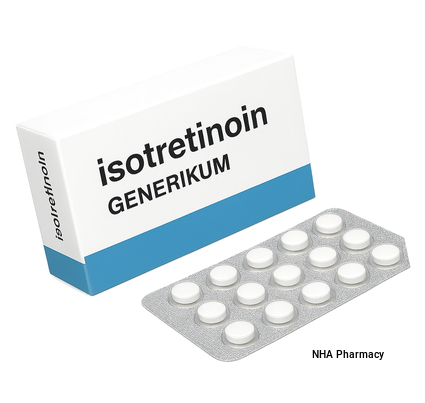
- Is isotretinoin available without prescription in the UK?
- What does Prescription Only Medicine mean in the UK?
- General information about isotretinoin
- How isotretinoin works against acne
- Price and availability for online purchase
- Strengths, formulations and generic options
- Indications: severe acne and off-label uses
- UK legal classification: POM and importation rules
- Alternatives and complementary treatments
- Isotretinoin compared with other acne treatments
- Lifestyle, diet and skincare considerations
- Side effects and monitoring
- Long-term use, courses and cumulative dose
- Warnings, contraindications and interactions
- Additional information about ordering isotretinoin online
Is isotretinoin available without prescription in the UK?
No. Isotretinoin is classified as a Prescription Only Medicine (POM) in the UK due to its potency, risk profile and requirement for monitoring. It cannot legally be supplied without a valid prescription issued by a qualified healthcare professional. Despite this, many online pharmacies offer services to buy, purchase or order generic isotretinoin cheap or at a cheaper price without prescription by using remote consultation systems or through importation channels. Such practices carry significant medical and legal risks, so patients are strongly advised to seek legitimate pathways through registered UK prescribers.
What does Prescription Only Medicine mean in the UK?
In the UK, medicines are classified into three categories:
- Prescription Only Medicine (POM) – Requires a valid prescription from a qualified prescriber (doctor, dentist, nurse prescriber or pharmacist prescriber).
- Pharmacy medicine (P) – Can be supplied without a prescription but only under the supervision of a pharmacist within registered premises.
- General Sales List (GSL) – Can be sold in many retail outlets without the direct supervision of a pharmacist.
Isotretinoin is POM due to its teratogenicity, serious adverse effect profile and the need for baseline and ongoing investigations (liver function, lipids, pregnancy tests). Any attempt to buy isotretinoin without prescription in the UK may bypass essential safety checks.
General information about isotretinoin
What is isotretinoin?
Isotretinoin is a vitamin A derivative (a retinoid) primarily used for the treatment of severe nodular or cystic acne that has been unresponsive to conventional therapies (antibiotics, topical retinoids, benzoyl peroxide). It works by reducing sebum production, inhibiting abnormal keratinisation, and exerting anti-inflammatory effects.
What are retinoids?
Retinoids are compounds related to vitamin A (retinol). They influence cellular differentiation, proliferation and apoptosis in the skin. Other systemic retinoids include acitretin (used for psoriasis) and alitretinoin (used for chronic hand eczema). Topical retinoids include tretinoin, adapalene and tazarotene.
What is the active ingredient?
The active pharmaceutical ingredient is isotretinoin. Generic products must demonstrate bioequivalence to the reference brand (e.g., Roaccutane®) to gain UK marketing authorisation. Excipients, capsule shells and colouring may vary.
Why is isotretinoin provided in capsules?
Isotretinoin is lipophilic and degrades in the presence of light and oxygen. Sealed, opaque capsules protect the active substance and improve stability. Capsules are often supplied as 10 mg, 20 mg or 30 mg units.
Is isotretinoin a topical treatment?
No. Systemic isotretinoin is an oral treatment indicated for severe acne. Topical retinoids (tretinoin, adapalene) are applied to the skin but have different pharmacokinetics and uses.
Why is isotretinoin used for severe acne?
Isotretinoin addresses multiple pathogenic factors in acne: overproduction of sebum by sebaceous glands, follicular hyperkeratinisation, Propionibacterium acnes colonisation and inflammation. Its unique multi-modal mechanism often leads to long-term remission.
How isotretinoin works against acne
What is the mechanism of action?
Isotretinoin modulates gene expression by activating nuclear retinoic acid receptors (RARs) and retinoid X receptors (RXRs). This reduces sebaceous gland size and sebum output, normalises keratinocyte differentiation, and decreases inflammation.
How quickly does it work?
Patients often notice a reduction in inflammatory lesions within 4–8 weeks, but a transient “initial flare” of acne lesions can occur in the first 2–4 weeks. Full benefits typically require a cumulative dose over several months.
Does isotretinoin kill bacteria?
No. It decreases sebum (the nutrient source for Propionibacterium acnes) and has indirect anti-inflammatory effects. It is not classified as an antibiotic.
Is the effect immediate?
No. Unlike topical agents, systemic isotretinoin requires absorption, tissue distribution and gene regulation. Symptom improvement is gradual.
Why does dosage matter?
The efficacy and risk of side effects depend on the total cumulative dose (mg/kg body weight). Lower daily doses with longer treatment duration may reduce some adverse effects but require careful monitoring.
Price and availability for online purchase
How much does isotretinoin cost online?
Prices vary by strength, pack size, brand or generic status and online retailer. Patients searching for cheap or cheaper generic isotretinoin to order online should compare multiple offers. Example price ranges (for illustration only):
| Example | Strength | Pack size | Price (GBP) | Status | Note |
|---|---|---|---|---|---|
| Brand X | 20 mg | 30 capsules | £75–£90 | Prescription required | Standard UK brand |
| Generic Y | 20 mg | 30 capsules | £40–£55 | Prescription required | Imported, generic |
| Generic Z | 20 mg | 30 capsules | £25–£35 | Prescription required* | *Via remote consultation or overseas supplier |
Prices marked “Prescription required*” often reflect online suppliers who may not check UK prescribing regulations. Lower price may involve importation from regions with different safety standards.
Why can prices vary so widely?
Factors include:
- Brand vs generic status;
- Manufacturing and import costs;
- Pack size and strength;
- Distribution channels (UK-licensed vs parallel import);
- Additional services (e.g., telehealth consultations, lab tests, blood monitoring).
Always verify that the supplier is a registered UK pharmacy and that you receive proper medical supervision.
Strengths, formulations and generic options
What strengths are available?
Isotretinoin capsules are commonly available in 10 mg, 20 mg and 30 mg strengths. Prescribers choose strength based on body weight and target daily dose.
What formulations exist?
Capsule formulations vary by manufacturer. Some use soybean oil and other excipients. All must meet UK specifications for content uniformity and stability.
Why are generic options important?
Generics can reduce cost. To be licensed in the UK or EU, generics must demonstrate bioequivalence to the reference brand through pharmacokinetic studies.
Does pack size matter?
Pack sizes range from 20 to 60 capsules. Longer courses (4–6 months) may require multiple packs. Importation suppliers sometimes offer larger bulk packs to lower unit cost, but may not follow UK licensing.
| Feature | Why it matters |
| Active ingredient | Ensures the correct medicine |
| Strength | Determines dose per capsule |
| Formulation | Manufacturer’s excipients and capsule integrity |
| Pack size | Course duration and supply continuity |
| Licensing status | UK authorisation vs unlicensed import |
Indications: severe acne and off-label uses
What is the primary indication?
Severe recalcitrant nodular or cystic acne unresponsive to conventional therapy. Examples include acne with risk of scarring or significant psychosocial impact.
Are there off-label uses?
Off-label prescribing can include:
- Moderate acne when other treatments have failed;
- Hidradenitis suppurativa in refractory cases;
- Severe rosacea with nodular lesions (rare);
- Certain keratinisation disorders.
Off-label use requires careful justification and monitoring.
Is isotretinoin used in children?
It may be used in adolescents under specialist supervision. Teratogenic risks and adherence issues require stringent counselling and pregnancy prevention measures.
UK legal classification: POM and importation rules
Why is isotretinoin POM?
Due to serious adverse effects (teratogenicity, hepatotoxicity, mood changes), mandatory blood tests, and pregnancy prevention programmes.
Can I legally import isotretinoin?
Personal importation is possible under MHRA guidance if:
- You have a valid prescription;
- The supply is for personal use (3-month supply maximum);
- You declare the import at the point of entry if required.
Unprescribed importation is illegal and unsafe.
Who regulates isotretinoin?
The MHRA oversees UK marketing authorisations. It can suspend or revoke licences if safety concerns arise. The European Medicines Agency (EMA) also provides guidelines for safety monitoring.
Alternatives and complementary treatments
What other treatments exist for severe acne?
- Oral antibiotics (doxycycline, minocycline);
- Combined oral contraceptives in females;
- Topical retinoids and benzoyl peroxide;
- Azelaic acid;
- Light and laser therapies;
- Surgical drainage for cysts.
These may be used alone or in combination but often are insufficient for severe nodular disease.
Can topical therapy complement isotretinoin?
Some prescribers recommend topical agents post-isotretinoin to maintain clearance, but concomitant use during treatment may increase skin irritation.
Isotretinoin compared with other acne treatments
| Feature | Isotretinoin | Oral Antibiotics | Topical Retinoids |
| Severity treated | Severe cystic | Mild to moderate | Mild to moderate |
| Mechanism | Reduces sebum, keratinisation | Antimicrobial, anti-inflammatory | Normalises keratin |
| Course length | 4–6 months | 3–6 months | Indefinite |
| Side effects | High risk, systemic | GI upset, resistance | Local irritation |
| Long-term remission | Yes, often lifelong | No | No |
Is isotretinoin always better?
No. It is reserved for severe disease due to its safety profile. Less severe acne often responds to safer treatments.
Lifestyle, diet and skincare considerations
Does diet influence acne?
Certain foods (high glycaemic index, dairy) may exacerbate acne in some individuals. Evidence is variable.
Does alcohol matter?
Alcohol may elevate lipid levels and affect liver function. Patients on isotretinoin should limit or avoid alcohol.
Is sun exposure a concern?
Isotretinoin can increase photosensitivity. Sun protection (SPF 30+) and UV avoidance are recommended.
Should I moisturise?
Dryness is common. Gentle moisturisers and lip balms help reduce cheilitis and skin irritation.
Can exercise help?
General health benefits may support skin improvement, but sweat can irritate sensitive skin. Wash gently after exercise.
Side effects and monitoring
What common side effects occur?
| Area | Examples |
| Skin | Dryness, cheilitis, rash |
| Eyes | Dryness, irritation |
| Musculoskeletal | Muscle/joint pain |
| Psychiatric | Mood changes (rare) |
| Hepatic | Elevated liver enzymes |
| Lipids | Triglyceride elevation |
How is monitoring done?
Baseline and follow-up blood tests: liver function, lipids, full blood count, pregnancy tests for females. Monthly reviews assess side effects and dose adjustment.
Can serious adverse effects occur?
Yes. Teratogenicity is the most serious: absolute contraindication in pregnancy. Depression, vision changes, inflammatory bowel disease and pseudotumor cerebri have been reported.
Long-term use, courses and cumulative dose
What is cumulative dose?
Target total dose is typically 120–150 mg/kg body weight over the course. Achieving this reduces relapse risk.
Can treatment be repeated?
Yes, but relapse rates are higher with repeated courses. Alternate dosing strategies may be considered.
Is long-term use safe?
Extended therapy beyond standard duration increases risk of adverse effects. Rarely, low-dose maintenance may be used under specialist supervision.
Warnings, contraindications and interactions
Who should avoid isotretinoin?
- Pregnant or breastfeeding women;
- Women planning pregnancy within 1 month of stopping;
- Severe liver or kidney disease;
- Hyperlipidaemia uncontrolled by diet or medication;
- History of depression, psychosis or inflammatory bowel disease (use with caution).
Can isotretinoin interact with other medicines?
Yes. Concomitant vitamin A supplements increase toxicity. Tetracyclines (doxycycline) risk intracranial hypertension. Monitor interactions via licensed product information.
Why is pregnancy testing essential?
Isotretinoin is highly teratogenic. Two negative pregnancy tests before starting and monthly tests during treatment are mandatory under the pregnancy prevention programme (PPP).
Additional information about ordering isotretinoin online
What does “generic isotretinoin” mean?
A generic contains the same active ingredient and must meet regulatory standards for safety and efficacy. Inactive ingredients and capsule appearance may differ.
Why can prices vary between online pharmacies?
Licensing status, importation origin, pack size, generic vs branded, additional services (telehealth consultations, lab testing) all influence price.
Is it legal to order isotretinoin without prescription?
No. Bypassing the POM status risks receiving unregulated medicine, lack of monitoring, counterfeit products and legal repercussions. Always obtain a UK prescription.
Where can I verify UK medicine information?
Use MHRA, the electronic Medicines Compendium (eMC), or speak to a qualified UK healthcare professional. Avoid unverified overseas sites offering cheap or cheaper products without proper medical oversight.