
Purchase glucophage cheap online
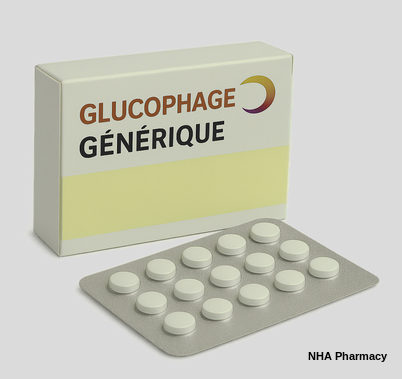
- Is glucophage available without prescription in the UK?
- What does Prescription Only Medicine (POM) mean in the UK?
- General information about glucophage (metformin)
- How glucophage works to control blood sugar
- Price and availability information
- Strengths, formulations and pack types
- Type 2 diabetes and glucophage use
- UK legal classification: POM explained
- Alternatives and combination therapies
- Glucophage compared with other oral antidiabetics
- Diet, lifestyle and exercise considerations
- Side effects and tolerability
- Long-term use and monitoring
- Warnings, contraindications and interactions
- Additional information about glucophage
Is glucophage available without prescription in the UK?
Glucophage (metformin hydrochloride) is classified as a Prescription Only Medicine (POM) in the United Kingdom. This means it cannot be legally supplied or sold without a valid prescription from a qualified healthcare professional. Unlike some medicines that have become available over the counter, glucophage remains strictly regulated to ensure patient safety, appropriate dosage, and monitoring of blood glucose levels. While some online vendors claim to sell generic glucophage without prescription, purchasing such products can pose legal risks and health dangers due to lack of professional oversight and uncertain product quality. Always seek proper medical advice before ordering or buying glucophage in the UK.
What does Prescription Only Medicine (POM) mean in the UK?
In the UK, medicines are categorised into three main groups: Prescription Only Medicines (POM), Pharmacy medicines (P) and General Sales List (GSL) medicines. A POM can only be supplied by a pharmacist against a valid prescription or through approved online pharmacy services that require electronic prescription submission. Prescription classification ensures that medications with potential for serious side effects, interactions, or misuse are managed under professional supervision.
Why is glucophage a POM?
Glucophage requires monitoring of liver and kidney function, blood glucose, and potential lactic acidosis risk. Regular follow-up is essential to adjust dosage, evaluate tolerability, and detect rare but serious adverse events. POM status enforces these safety measures.
General information about glucophage (metformin)
What is glucophage?
Glucophage is the brand name for metformin hydrochloride, an oral antidiabetic agent used primarily in type 2 diabetes mellitus. It belongs to the class of biguanides, and is often the first-line therapy for patients requiring pharmacological intervention to manage elevated blood glucose levels.
What is metformin?
Metformin is the active pharmaceutical ingredient in glucophage. It has been in clinical use for over 60 years, with a well-established safety and efficacy profile when used under medical supervision. Generic metformin products share the same active molecule and therapeutic effect as the original brand.
Why is a generic version cheaper?
Generic glucophage is typically sold at a lower cost because generic manufacturers do not incur the initial research and development expenses associated with the original patented formulation. Competitive pricing and multiple suppliers drive down the retail price, allowing patients to purchase metformin more affordably.
How glucophage works to control blood sugar
Mechanism of action
Glucophage reduces hepatic glucose production (gluconeogenesis) and increases insulin sensitivity in peripheral tissues such as muscle and adipose tissue. It also enhances glucose uptake and utilisation and may slow intestinal glucose absorption.
Effect on insulin
Unlike insulin secretagogues, glucophage does not directly stimulate insulin release from the pancreas, which reduces the risk of hypoglycemia when used as monotherapy. Its insulin-sensitising action helps restore glycaemic control over time.
Onset and duration
Oral metformin has a gradual onset of action, with full glycaemic effects observed after one to two weeks of consistent daily dosing. Extended-release (XR) formulations provide smoother blood concentration profiles over 24 hours.
Price and availability information
How much does generic glucophage cost in the UK?
Prices vary based on pack size, strength, formulation (immediate versus extended release), and pharmacy retailer. Generally, a 30-day supply of generic metformin 500 mg tablets may cost between £5 and £15, while extended‐release presentations can range from £8 to £20. These figures are indicative; contact NHA Pharmacy for the latest purchase price and stock availability.
Why can prices differ?
Retail pricing reflects wholesale cost, supplier margins, pack size, special shipping or handling fees for online orders, and promotional offers. Buying in bulk or through subscription services may yield cheaper per-tablet costs.
| Example | Strength | Formulation | Approx. Price | Status | Note |
|---|---|---|---|---|---|
| Metformin 500 mg | 500 mg | Immediate-release tablets | £5–£10 | POM | Requires prescription |
| Metformin XR 1000 mg | 1000 mg | Extended-release tablets | £12–£20 | POM | Once-daily dosing |
Strengths, formulations and pack types
Available strengths
Glucophage and its generic equivalents come in immediate-release strengths of 500 mg and 850 mg, and extended-release strengths of 500 mg, 750 mg and 1000 mg. Each strength has specific dosing recommendations based on patient age, renal function and glycaemic targets.
Immediate-release versus extended-release
Immediate-release tablets typically require two to three daily doses, while extended-release formulations allow once-daily dosing with fewer gastrointestinal side effects. Patients unable to tolerate immediate-release may switch to XR formulations for improved tolerability.
Pack sizes
Pack sizes vary from 28 to 60 tablets for immediate-release and 30 to 90 tablets for extended-release. Legal prescription rules limit repeat dispensing; packs greater than 30 days may require specific prescribing instructions.
| Feature | Why it matters |
| Strength | Dose-dependent efficacy and side effect profile |
| Formulation | Controls release rate, dosing frequency and tolerability |
| Pack size | Determines supply duration and prescription repeats |
| Legal status | Prescription requirement ensures monitoring |
Type 2 diabetes and glucophage use
When is metformin indicated?
Metformin is indicated for the management of type 2 diabetes in adults and adolescents aged 10 years and older when diet and exercise alone do not achieve adequate glycaemic control. It may also be used in polycystic ovary syndrome (PCOS) off-label to improve insulin sensitivity.
Starting dose and titration
Initial dosing often begins at 500 mg once daily with or after the evening meal to reduce gastrointestinal upset. Dose is increased gradually in 500 mg increments every one to two weeks up to a maximum of 2 g daily, divided into two or three doses, or 2 g XR once daily.
Monitoring requirements
Regular monitoring of HbA1c, renal function (eGFR), liver enzymes and vitamin B12 levels (with long-term use) is recommended. Dose adjustments may be required for patients with renal impairment or elderly patients.
UK legal classification: POM explained
Why is prescription control important?
Prescription control ensures that glucophage is used appropriately, with regular monitoring for efficacy and safety. It prevents misuse, helps manage drug interactions, and ensures dosage adaptation according to patient-specific factors.
MHRA regulation
The Medicines and Healthcare products Regulatory Agency (MHRA) oversees the licensing of metformin products and enforces POM classification. Any change in legal status would involve MHRA evaluation and public consultation.
Online pharmacy compliance
Legitimate online pharmacies in the UK must be registered with the General Pharmaceutical Council (GPhC) and require electronic prescription submission or a valid paper prescription. Claims of “buy metformin online without prescription” often fall outside legal frameworks and should be approached with caution.
Alternatives and combination therapies
Other oral antidiabetics
- Sulfonylureas (e.g., gliclazide, glipizide)
- Thiazolidinediones (e.g., pioglitazone)
- DPP-4 inhibitors (e.g., sitagliptin, linagliptin)
- SGLT2 inhibitors (e.g., empagliflozin, dapagliflozin)
- Alpha-glucosidase inhibitors (e.g., acarbose)
Fixed-dose combinations
Metformin is often combined with other agents in single-tablet combinations to improve adherence, such as metformin/sitagliptin or metformin/empagliflozin. These products remain POM and follow similar prescription and dispensing regulations.
Glucophage compared with other oral antidiabetics
Why choose metformin first?
Metformin is the preferred first-line therapy due to low cost, lack of weight gain, minimal hypoglycemia risk, and established cardiovascular benefits demonstrated in large clinical trials.
How does it compare with sulfonylureas?
Sulfonylureas stimulate insulin release and carry a higher risk of hypoglycemia and weight gain. In contrast, metformin acts by reducing glucose production and improving insulin sensitivity.
Comparisons with newer classes
DPP-4 inhibitors and SGLT2 inhibitors offer additional benefits such as weight neutrality or weight loss, and cardiovascular and renal protective effects in selected patients, but often at higher prices compared to generic metformin.
| Feature | Metformin | Sulfonylureas | SGLT2 inhibitors |
| Hypoglycemia risk | Low | Moderate–high | Low |
| Weight effect | Neutral or slight loss | Gain | Loss |
| Price | Low (generic) | Moderate | High |
Diet, lifestyle and exercise considerations
Role of diet in type 2 diabetes
A balanced diet low in simple sugars and refined carbohydrates supports glycaemic control. Portion management and carbohydrate counting complement pharmacological therapy with glucophage.
Importance of regular exercise
Physical activity improves insulin sensitivity and helps with weight management. A combination of aerobic and resistance training is recommended for optimal glycaemic results.
Weight management
Lifestyle modifications targeting weight loss can delay or reduce the need for escalating pharmacotherapy. Even modest weight reductions of 5–10% can significantly improve blood glucose levels.
Side effects and tolerability
Common gastrointestinal effects
Diarrhoea, nausea, abdominal cramps and flatulence occur in up to 30% of patients, especially during initiation. Taking tablets with food and titrating dose slowly can improve tolerability.
Vitamin B12 deficiency
Long-term metformin use can impair vitamin B12 absorption, leading to deficiency. Periodic monitoring and supplementation should be considered in long-term users.
Rare but serious reactions
Lactic acidosis is extremely rare but life-threatening. Risk factors include renal impairment, hepatic disease, severe dehydration, and conditions associated with hypoxia. Patients should be instructed to seek urgent care if unexplained malaise, myalgias, or respiratory distress develop.
| System | Side effect |
| Gastrointestinal | Nausea, diarrhoea, abdominal discomfort |
| Hematologic | Vitamin B12 deficiency over time |
| Metabolic | Lactic acidosis (very rare) |
| General | Weakness, metallic taste |
Long-term use and monitoring
Why long-term monitoring matters
Chronic therapy with glucophage requires surveillance of renal function, B12 levels, and glycaemic control (HbA1c every 3–6 months). Adjustments may be needed if renal function declines below threshold eGFR levels.
Titration and dose adjustment
As type 2 diabetes progresses, additional therapies may be added. Metformin dose may be maximised at 2 g per day XR or 2.5 g per day immediate-release in divided doses depending on tolerance and clinical response.
End of treatment considerations
Glucophage may be discontinued if significant contraindications arise, such as acute kidney injury, severe infection, or major surgery requiring fasting. Transition to insulin or other therapies may be required during these periods.
Warnings, contraindications and interactions
Who should avoid glucophage?
- Patients with severe renal impairment (eGFR <30 mL/min/1.73 m²)
- Unstable or acute heart failure with hypoperfusion
- Severe hepatic impairment
- Acute or chronic metabolic acidosis, including diabetic ketoacidosis
- Conditions predisposing to hypoxia (e.g., severe pulmonary disease)
Drug interactions
Cationic drugs excreted by renal tubular secretion (e.g., cimetidine) may increase metformin plasma levels. Concurrent use with iodinated contrast media can precipitate acute kidney injury; metformin should be paused before imaging and resumed after renal function is confirmed.
Alcohol and dehydration
Excessive alcohol intake increases lactic acidosis risk. Volume depletion due to vomiting, diarrhoea, or diuretics also heightens risk. Patients should be counselled on adequate hydration and alcohol moderation.
Pregnancy and breastfeeding
Metformin crosses the placenta but is often continued in gestational diabetes under specialist guidance. It is excreted in breast milk in small amounts; benefits and risks should be weighed by healthcare professionals.
Additional information about glucophage
What does “generic metformin” mean?
A generic metformin product contains the same active ingredient, metformin hydrochloride, as the reference brand, meeting regulatory standards for quality, safety and efficacy. Excipients, tablet appearance, and packaging may vary between manufacturers.
Why can patient leaflets differ?
Different manufacturers produce product-specific patient information leaflets outlining indications, dosing, side effects, and legal status for that exact authorised medicine. Even when containing identical active ingredients, these details can vary slightly.
Storage instructions
Keep glucophage tablets in their original container, protected from moisture and direct sunlight, at room temperature (below 25 °C). Do not store in the bathroom. Keep out of reach of children.
Where to verify UK medicine information?
Reliable sources include the MHRA website, electronic Medicines Compendium (eMC), and qualified healthcare professionals such as pharmacists and GPs. Always refer to the official product information for specific guidance on dosing, contraindications, and monitoring.
Does this information replace professional advice?
No. This page provides general information published by NHA Pharmacy (Unit 23, Newton House, Northampton Science Park, Kings Park Road, Moulton Park Industrial Estate, Northampton NN3 6LG). For personalised advice on purchasing, ordering or using glucophage, consult a qualified pharmacist or your GP.